

Switcheroo Sunday
Hi there, welcome to Engineering Our Social Vehicles! I’m your host, Paul Logan. If you’re new to the newsletter, today is Switcheroo Sunday. On Sundays ‘round these parts we like to talk about notable switcharoos. Today, we’re going to talk about my favorite plot device: The mid-story genre shift.
Berserk and Dark Souls
A while ago, my brother told me that the manga/anime Berserk was the inspiration for most of the lore in the Dark Souls trilogy. If you’re unfamiliar with Dark Souls, it’s a series of punishingly difficult games set in a grimdark medieval universe.
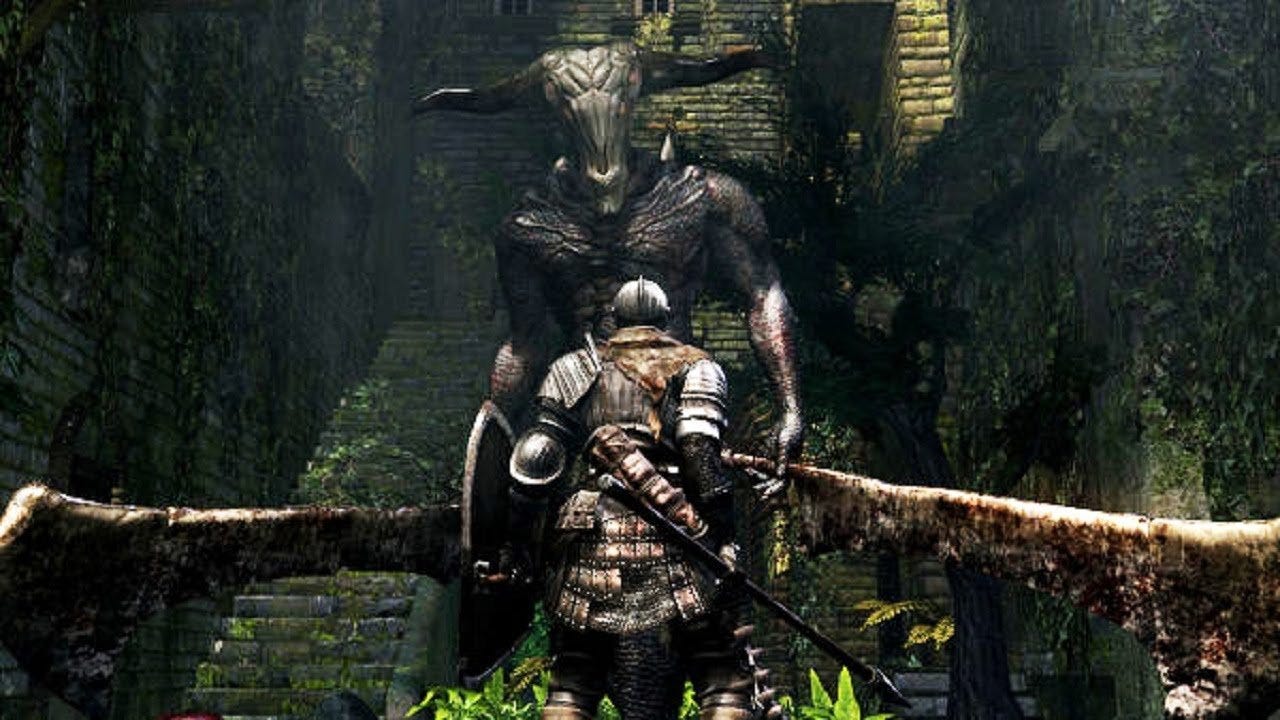
Dark Souls lore is nuts and I’ve always admired its sheer scale and grandiosity— the player character fights undead knights, towering demons, and fallen gods on their quest to rekindle their own humanity.
With that in mind, I decided to try out watching the trilogy of Berserk movie adaptations from the early 2010’s. I was rather nonplussed to find, rather than a decayed world full of supernatural evil, a standard medieval setting that seemed to be based on the Wars of the Roses.
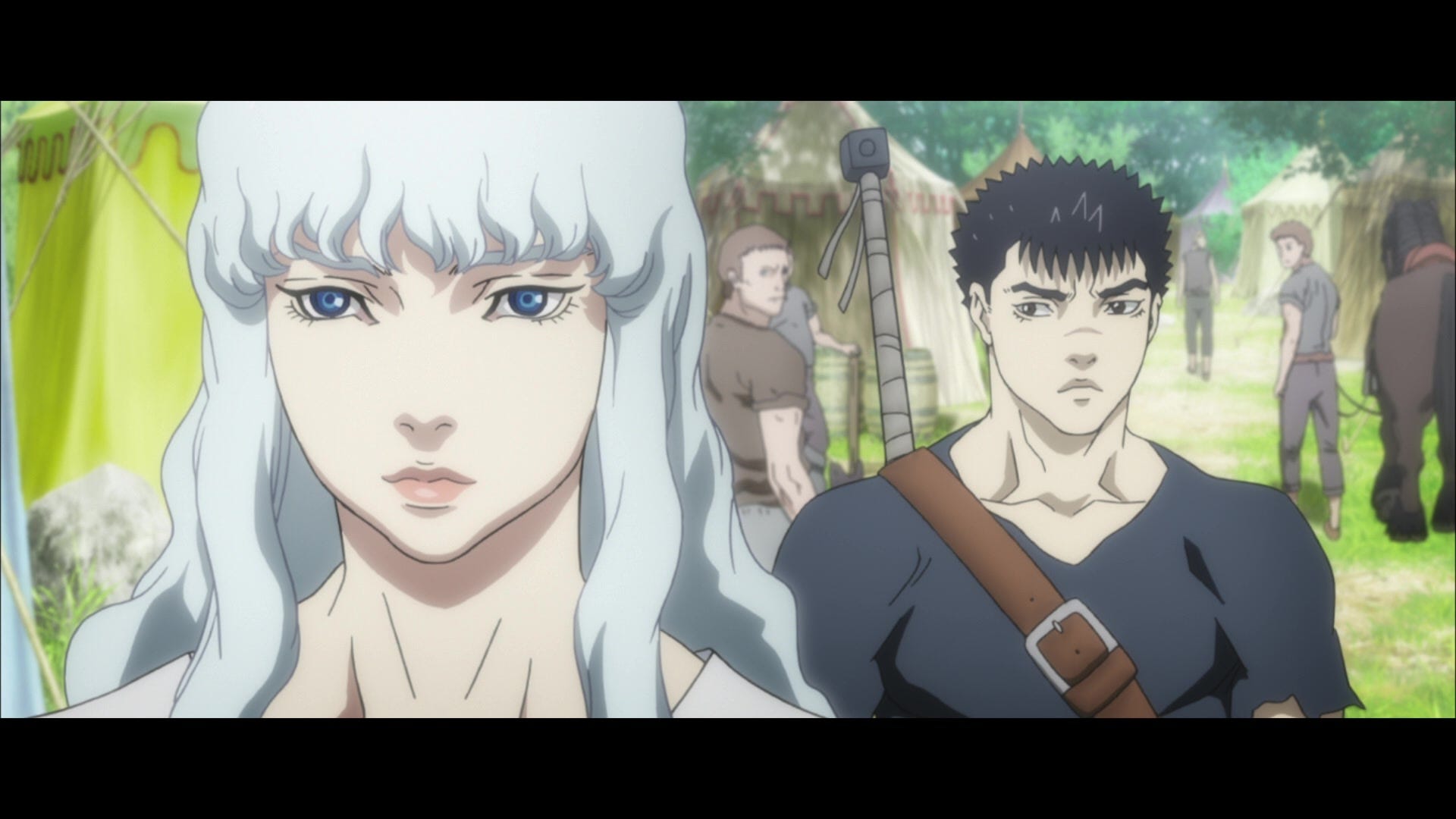
“Alright…” I thought to myself “This is sort of like Dark Souls in that people wear armor and swing swords, but the world is completely wrong!”
That was before I got to the third movie in the trilogy, which takes a hard left turn. We go from knights, squires, and castles to archdevils, demons, and alternate realities.
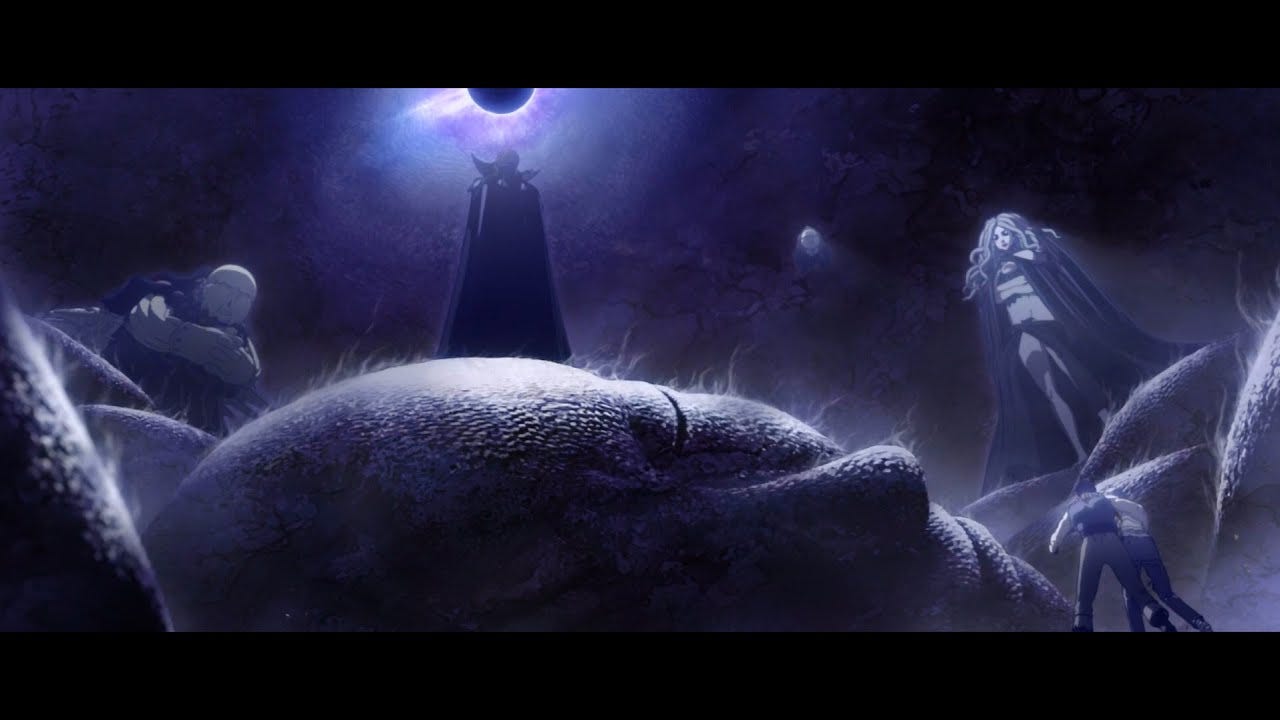
The trilogy doesn’t just plop you into orthogonal space without warning. The first two movies gives you loads of hints and scenes that at first are written off as hallucinations or dreams, and slight fantasy in the style of magical realism. I’d assumed these were window dressings for what was a straightforward story about medieval knightly valor. Boy, was I wrong.
Without giving too much away, the knights turn out to be the window dressing for fantastic, demonic insanity that claims the rest of the series. By the end of the third movie I fully understood why Berserk is considered such a strong influence on the ravening, decrepit world of Dark Souls. I wish I had half as much a mind for the twisted and magical as Kentaro Miura, Berserk’s late creator.
This Little Maneuver
What Berserk did isn’t easy to pull off: it changes genres in the middle of the story. This is a “genre shift” and it is my favorite thing that can happen in narrative, hands down.
This is a hard thing to do. In fact, it’s really easy to mess up a genre shift and end up with a sloppy pile of narrative that tries to be two genres and fails at both. Some examples of genre-shifting movies that were critically panned:
Hancock (2008) alienated critics by switching from a superhero film to a romance flick halfway through.
Click (2006) received mixed reviews, some citing that it failed in its switch from comedy to drama.
Pain and Gain (2013) starts as a buddy comedy and turns into a dark crime thriller, critics panned it as “in poor taste” for failing to properly drop the comedy.
Event Horizon (1997) is a so-bad-it’s-good cult classic that departs an interesting sci-fi setup for a gleeful romp into gore and horror cliche.
The lesson to be learned from these and other rocky genre-shifters is that the plot shouldn’t stop because the world changes. In Berserk, the characters still pursue their existing motivations despite being transported to hell (I’m looking at you, Event Horizon).
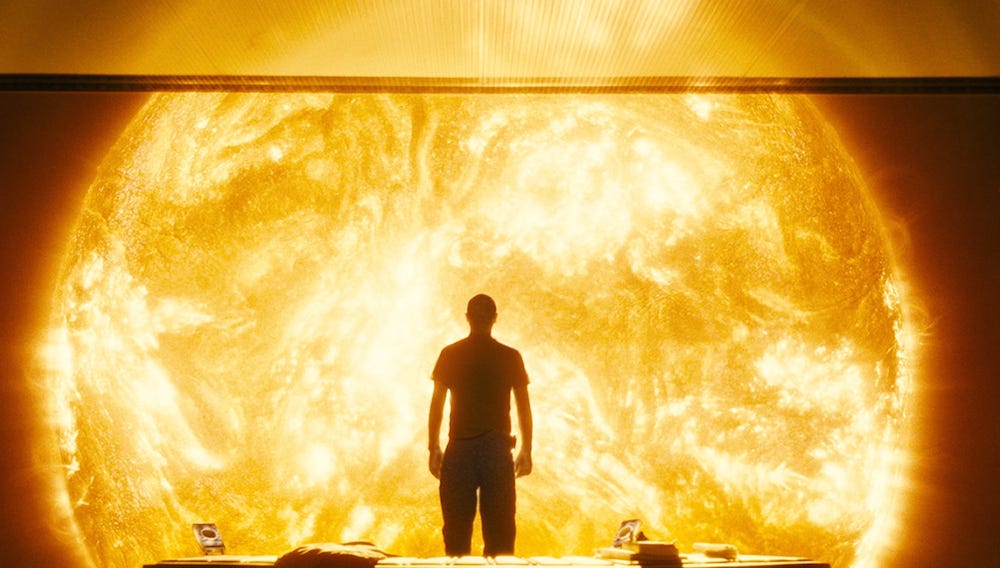
Genre shifts are impressive when done correctly because they break the social contract between filmmaker and audience- if you go in expecting a runaway crime drama and are suddenly watching a slasher vampire flick (à la From Dusk Till Dawn), you’ll experience some serious whiplash from the sudden change in mood and tone. Good storytellers use this to their advantage to further drag the audience into their world, as in Sunshine (2007), whose dark turn from philosophical sci-fi into slasher-horror serves only to heighten and underscore existing psychological horror themes.
I wouldn’t call genre changes between narrative episodes proper genre shifts because they don’t capture the “switcheroo” nature of true genre shift. Even though Alien and Aliens switch from atmospheric horror to action-thriller, they are each wholly contained narratives that give the audience exactly what they are promised from beginning to end.
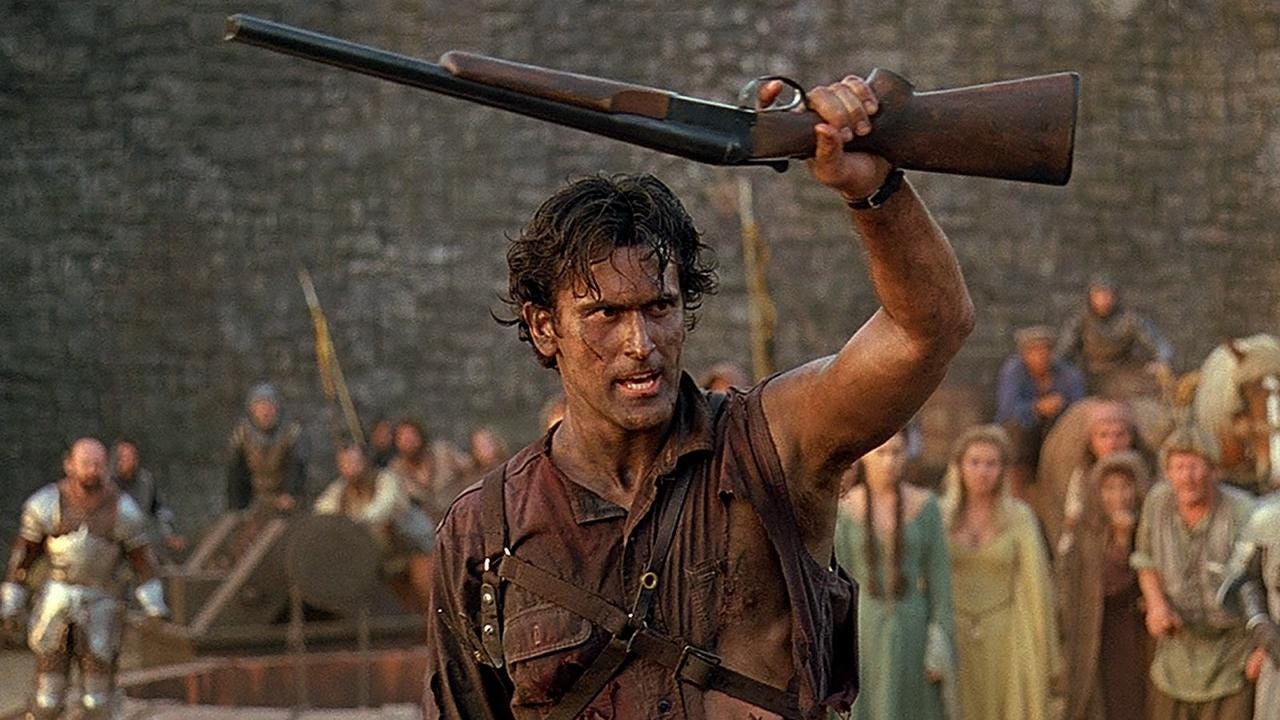
However, responses to sequels give us good insight into why genre shift is or isn’t successful. The Evil Dead: Army of Darkness maintains the same tone and main character as its predecessor, but succeeds in taking the humor to new heights by nonsensically placing him in Medieval Europe.
Gremlins 2, on the other hand, took the same starting IP and decided to move nonsensically from family-horror into comedy-slapstick. It was critically panned because it failed to respect the tone of the first. There’s a great Key & Peele sketch lampooning the failed switch:
Overall, the name of the game in genre shift is a dedication to pursuing the same plot, theme, and character motivations- regardless of the genre the story finds itself in. Even Cars 2 gets this right in its switch to spy movie from its predecessor’s racing film. In print, Italo Calvino and Robert Bolaño are notorious masters of genre shift; in film Hitchcock held the title for a long time (Psycho (1960), The Birds (1963)). These days? Edgar Wright sits the throne.
Cornettos
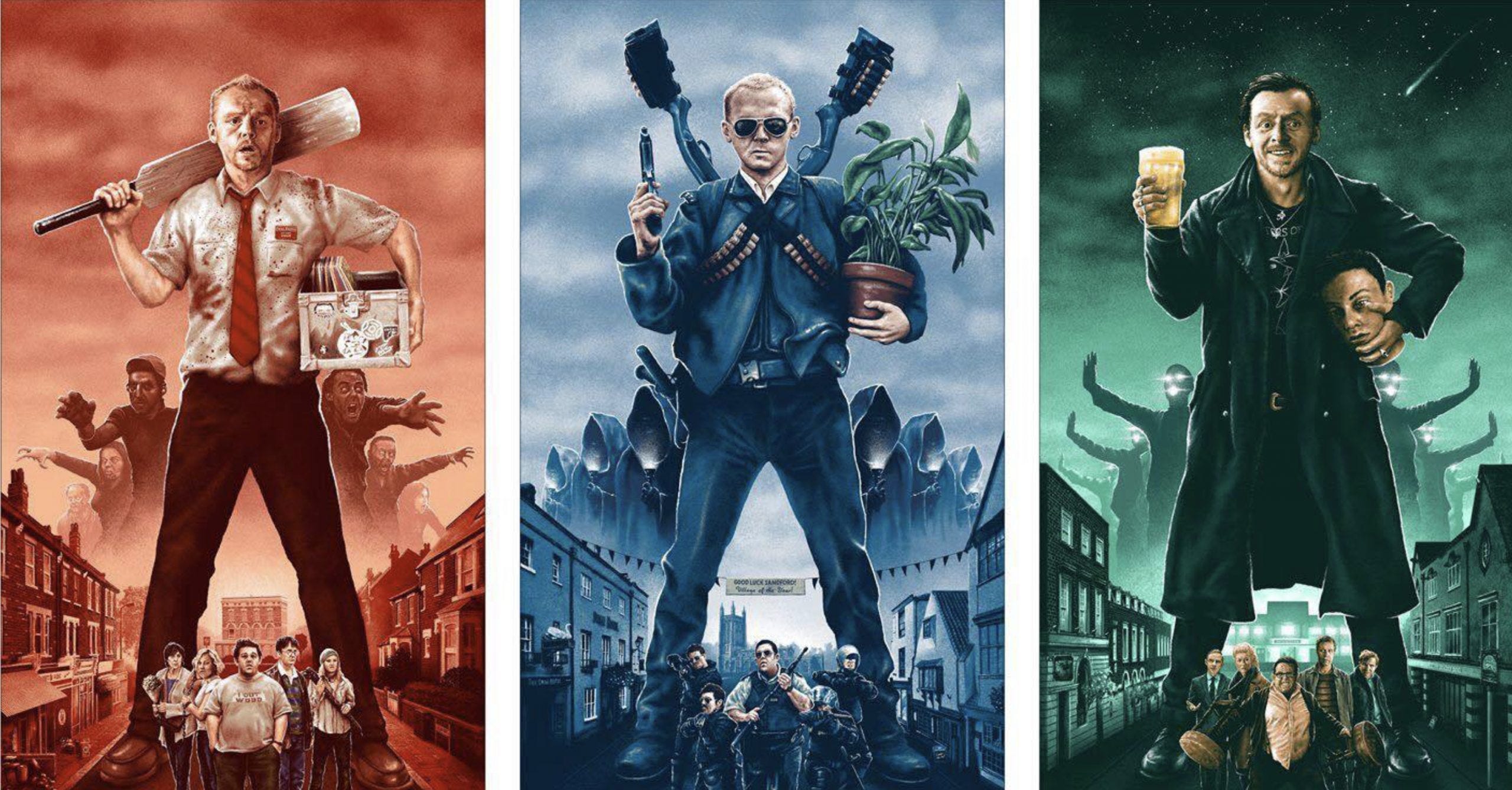
Edgar Wright is the Douglas Adams of genre shift. His Cornetto trilogy consistently leverages genre shift to place its characters in ludicrously hilarious situations. Wright is especially good at structuring films such that the same scenarios are revisited before and after the genre shift, so the audience can experience:
How an action movie cop deals with shady characters by shooting, as opposed to his earlier suspicious interviewing from when the film was a thriller. (Hot Fuzz, 2007)
How a zombie-slaying survivor deals with his stepfather, as opposed to a bedraggled electronics salesman from a workplace comedy. (Shaun of the Dead, 2004)
How a world-protecting rebel fights an alien android, as opposed to a washed-up loser from a reunion film. (The World’s End, 2013)
Wright gets genre shift like none other. He makes other genre-bending comedies like The Cabin in the Woods (2011) seem poorly composed in comparison.1 Where Wright uses situational comedy and genre in combination to highlight hilarity, Cabin in the Woods leans almost entirely on the cliches it seeks to mock. Wright shows us best- narrative is king, genre is window dressing, truly great genre shift lies in their interplay.
Conclusions, other genre shifters
I covered a small selection of the thousands of stories out there that shift genre halfway through. You’ve probably seen some of them yourself and not realized it. Predator (1987), for instance, starts out as action-thriller and ends as horror-sci-fi. Parasite (2019) begins as a slice-of-life situational comedy and ends as thriller/social commentary. Titanic (1997) starts as a romance and ends as a disaster film.
This is hands down my favorite plot device. I hope you’ve enjoyed exploring it with me. Comment or tweet your favorite genre shifts from film, TV, literature- anything with a story.
Don’t get me wrong, I love TCitW, but it doesn’t capture irony in situational symmetry with Wright’s elegance.
Pirates of the Carribean switches from swashbuckling adventure to... well, swashbuckling adventure but with ghosts.
The Expanse switches from fairly hard sci-fi to sci-fi where sufficiently advanced technology is nearly indistinguisable from magic.
I like that in both the characters actually point out the genre switch, moments after they happen.